
The Real Estate Market is Seasonal - Make it Work for YOU!
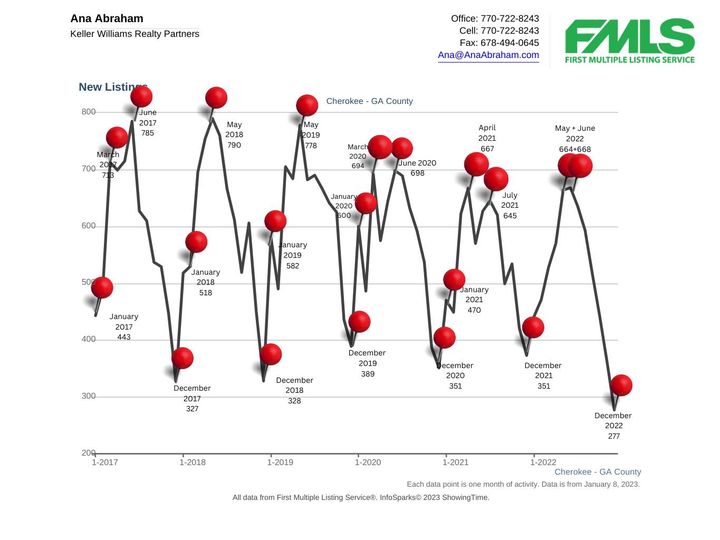
As a real estate agent, you're probably aware that the housing market is not a static entity. It fluctuates over time, and one of the primary factors influencing the changes is the season. Understanding the seasonality of the real estate market can help you make informed decisions and take advantage of opportunities.
Spring
Spring is typically the busiest season for real estate. The warmer weather and longer days make it an excellent time for buyers to go out and search for their new home. Many families also plan to move during the summer when children are out of school, which means they need to start the buying process in the spring. As a result, the market is flooded with buyers during this time, and the competition can be fierce.
Summer
Summer is the peak of the home buying season, and it's when the market is the most active. Families who are relocating will often aim to move during the summer, so they can get settled in before the school year begins. Additionally, the warm weather and longer days make it easier to schedule home tours. However, the market starts to slow down in August as families focus on preparing for the upcoming school year.
Fall
The fall season marks a transitional period for the housing market. The buying and selling activity typically decreases as the school year starts, but there are still motivated buyers looking to close a deal before the holidays. Sellers who listed their homes during the summer may also be more motivated to negotiate as they've been on the market for a few months. For this reason, fall can be an excellent time for buyers to snag a good deal.
Winter
The winter season is typically the slowest time for real estate. The colder weather, shorter days, and holiday season make it less appealing for buyers to go out and search for their new home. However, buyers who are still looking during this time are usually very motivated. Inventory tends to be lower, and there's less competition, which means buyers may be able to negotiate a better deal. Sellers who list their homes during the winter may also have fewer showings, but the ones they do have will be with serious buyers.
In conclusion, the real estate market is highly seasonal, and understanding the trends can be extremely beneficial for both buyers and sellers. As a real estate agent, it's essential to be aware of these trends and adjust your strategy accordingly. By doing so, you can help your clients navigate the market and achieve their real estate goals.